
Our Mission: to encourage Little Owls to make the Shop Orchard their home.
Why? Lots of nature-y reasons - owls play a vital role in our ecosystem, eating invertebrates such as beetles and earthworms as well as small mammals, and helping to control squirrels and rodents. And as an added bonus, they also attract other birds to the area.
How? We are working with the Owl Conservation Project to run an Owl Club for the Shop Orchard where budding naturalists will get some hands-on ecology experience.
Who? Any children, no matter where they live, can join Owl Club provided they are age 8+. And it’s free. We have children from villages and towns in at least a 12 mile radius of Hampstead Norreys.
How do I find out more?
Fill in the form and we will be in touch. But please note that for insurance purposes the child must be age 8 or over.
From a parent:
I just wanted to send a quick message to say thank you for all you do with the Little Owls club. Our son has always been more into football than nature but occasionally shows an interest. Your club inspired him to want to go to Thatcham discovery centre, walk around the reed beds and then down the canal to Newbury all whilst using the Merlin app! He has also spent time in the garden watching and listening for birds. The highlight of his bird watching has been to discover tawny owls are hanging out nearby! I can imagine how much work goes into running the club etc so I just wanted to make sure you know the impact runs much deeper than the time you have with the kids.
Our next session on Saturday 11th July, 10am-noon, is - sorry - CANCELLED because of the heat
The next meeting is Saturday 26th September, 10am to noon, when we hope to welcome the moth man and/or bird ringers
We will look to see if we can arrange an additional meeting in October when, hopefully, the children can meet the owls. Watch this space!
If you know anyone who is 8 years or older that may be interested in Little Owls Club, do point them to this website for more details. When they complete the form, we will be in touch!
Our session on Saturday 18th May, 2026
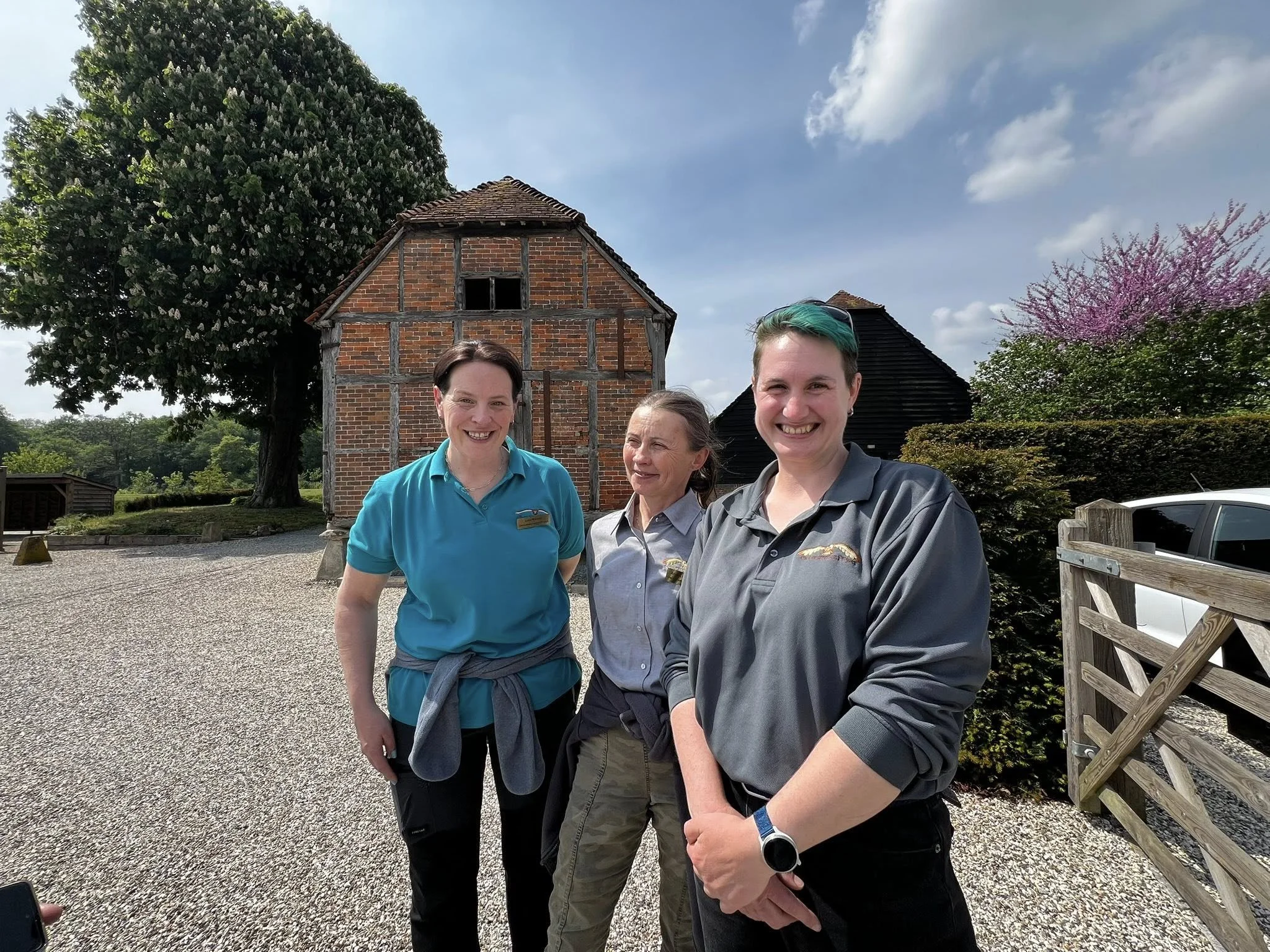
What a wonderful day for the first Owl Club of the year. Lovely to welcome new members as well as some old faces.
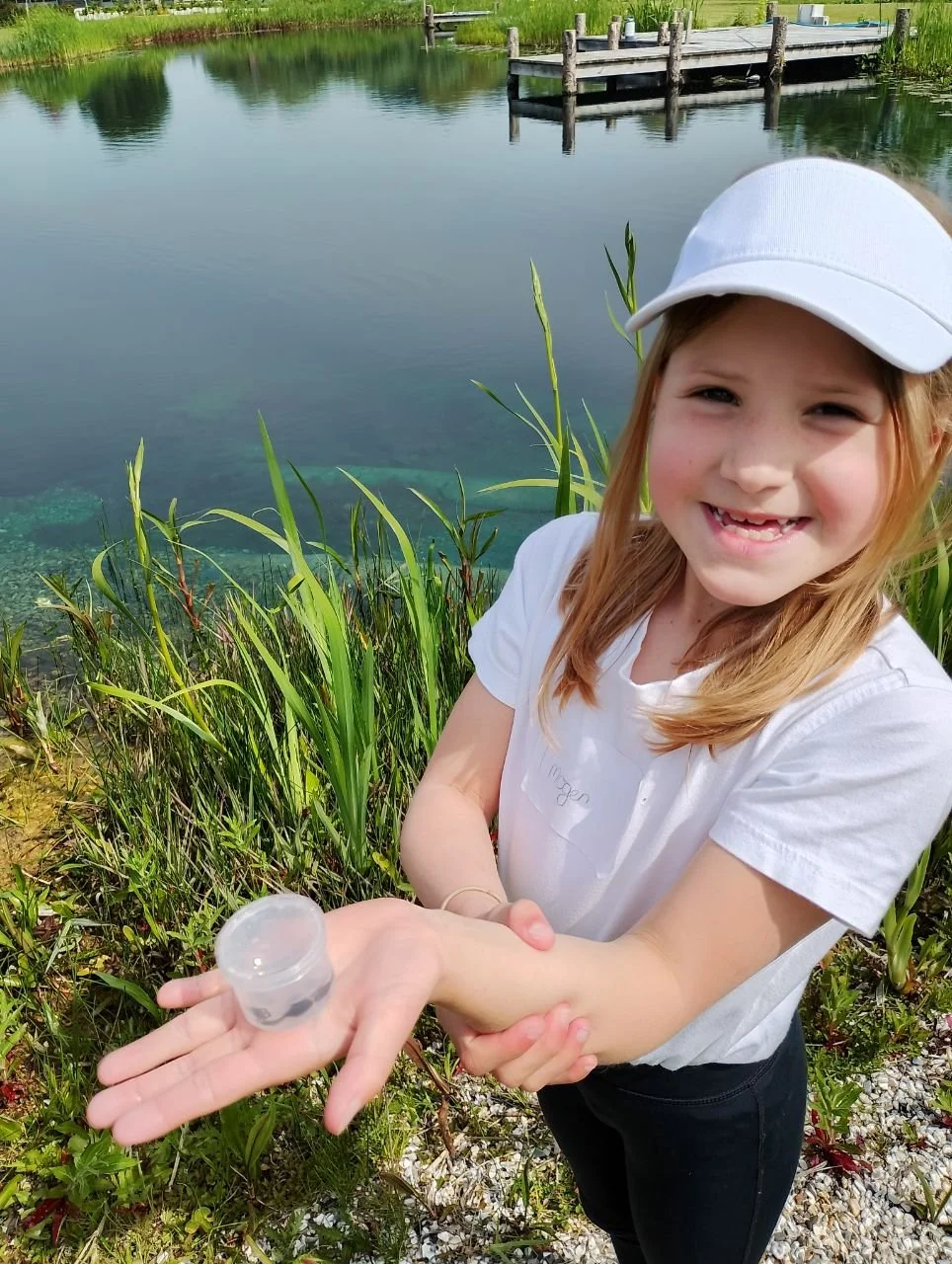
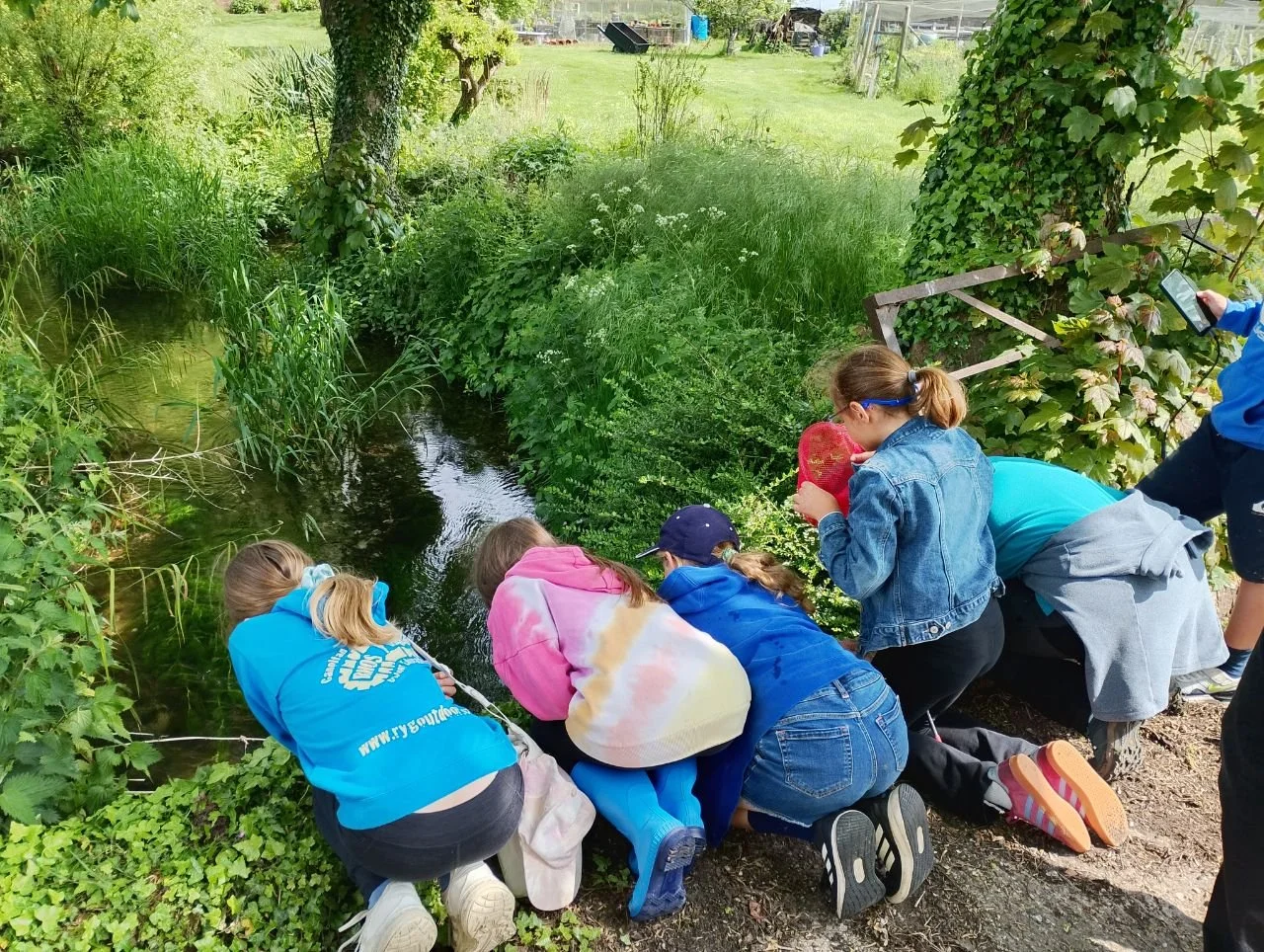
Thanks so much to the team at the Owl Conservation Project who organised such a fun session with pond dipping (tadpoles!), thermal imaging, using an endoscope to investigate river life, and bird spotting and identification.
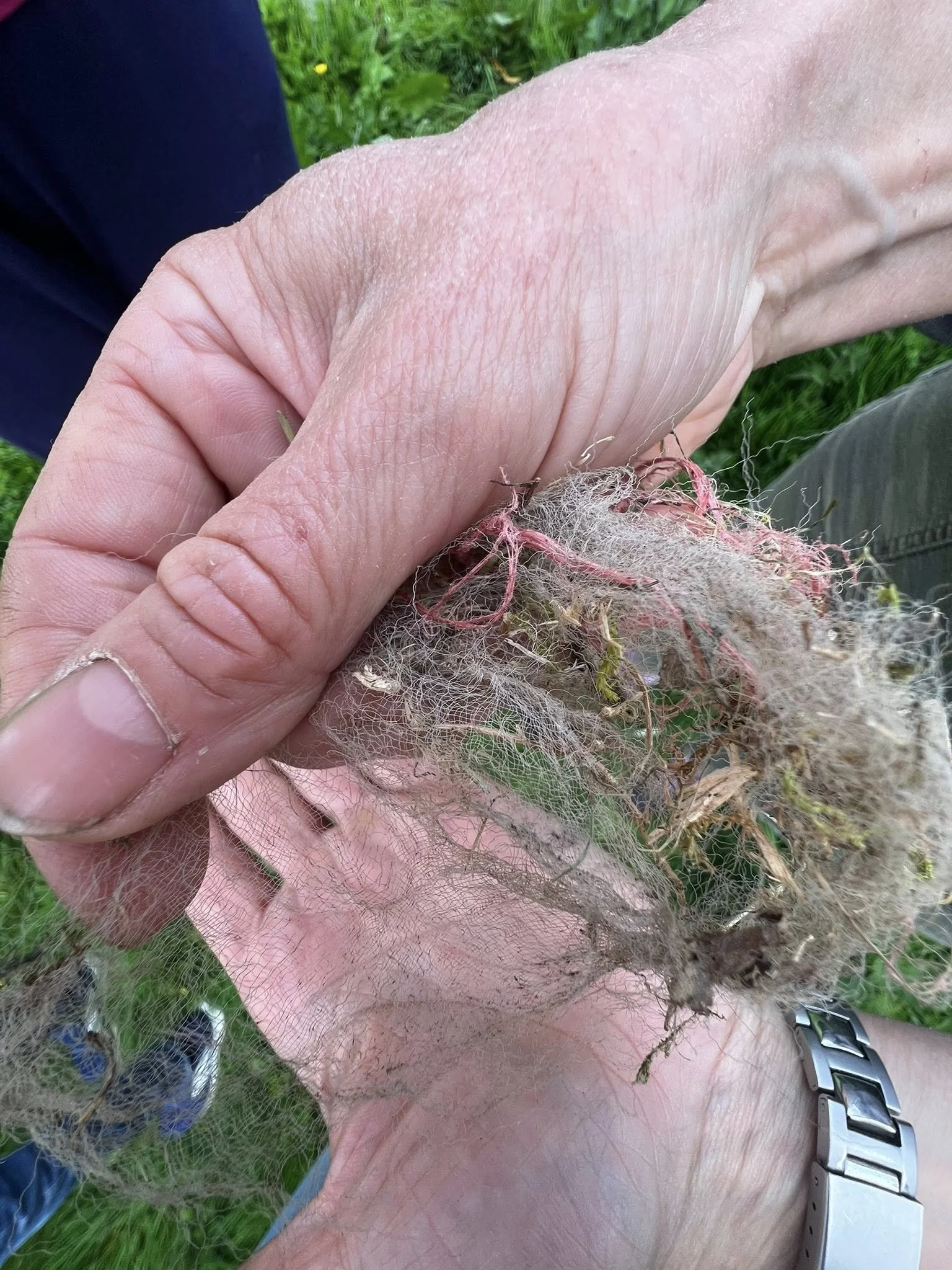
We of course took a peek inside our two owl boxes. One contained a nest built not entirely from natural materials - plastic string and fabric were nest components which of course can cause injuries to birds and their chicks. So if you’re out for a walk in our glorious countryside and see even a small bit of plastic, do pick it up. It makes a bigger difference than you’d think.
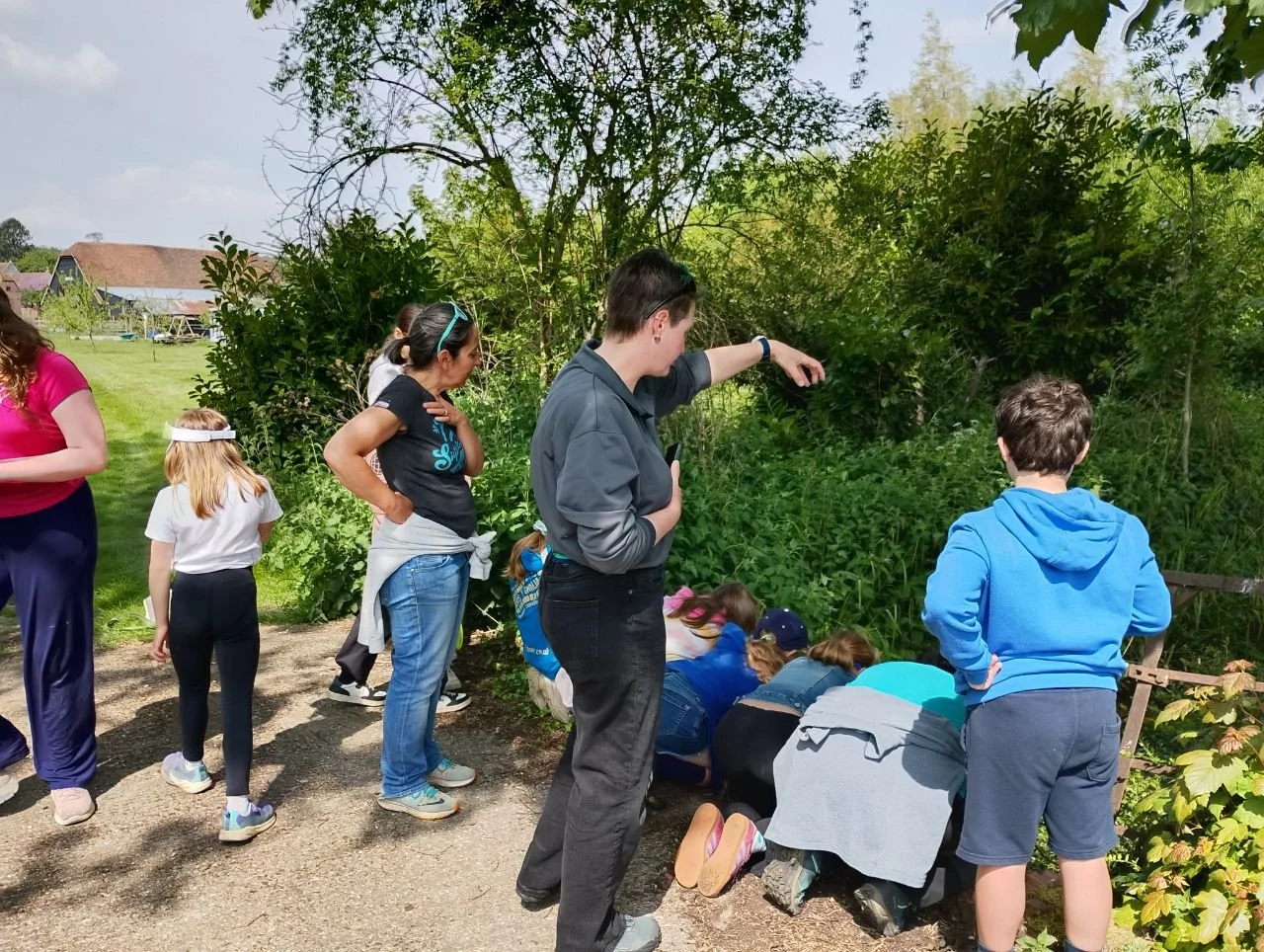
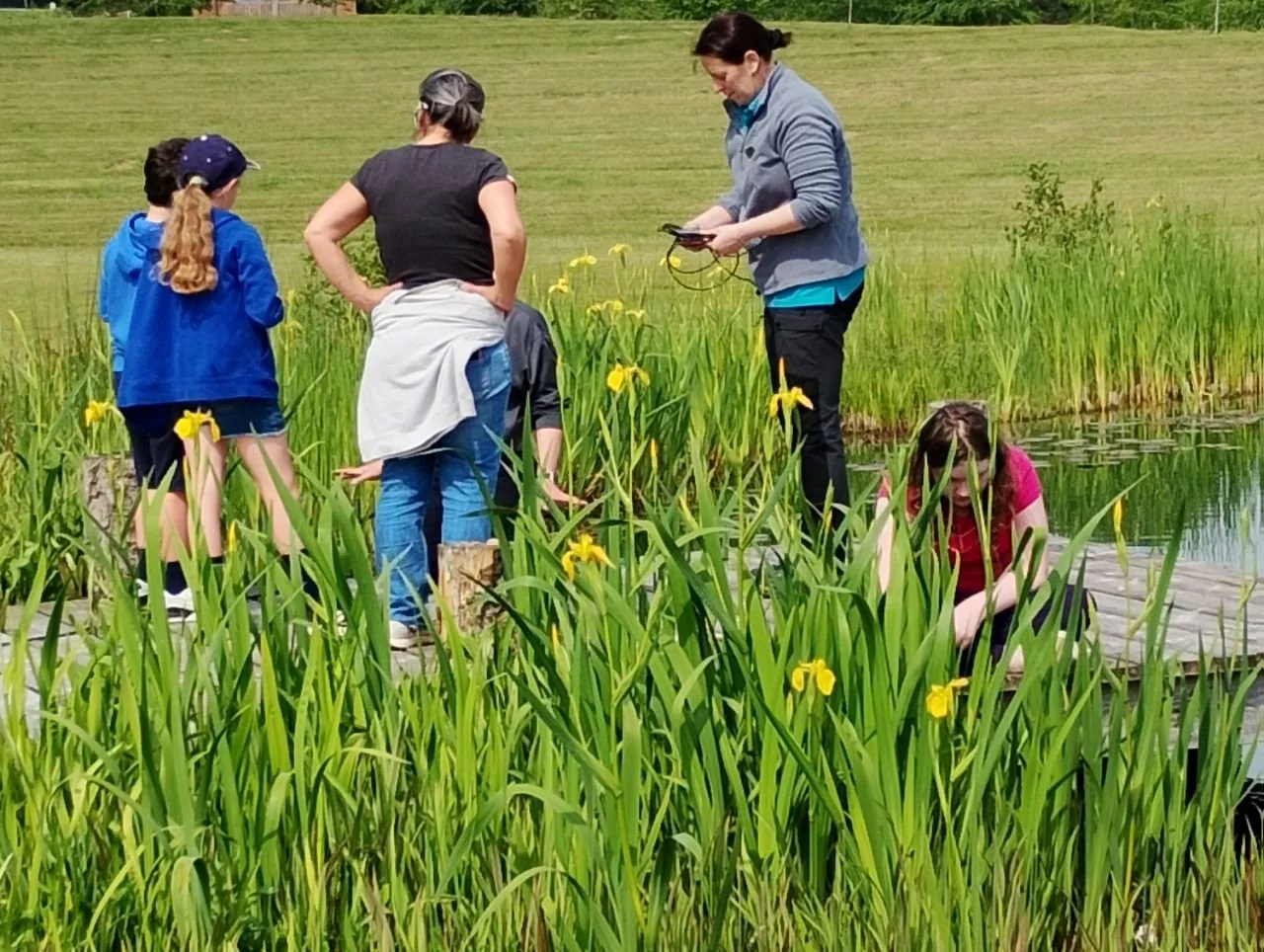
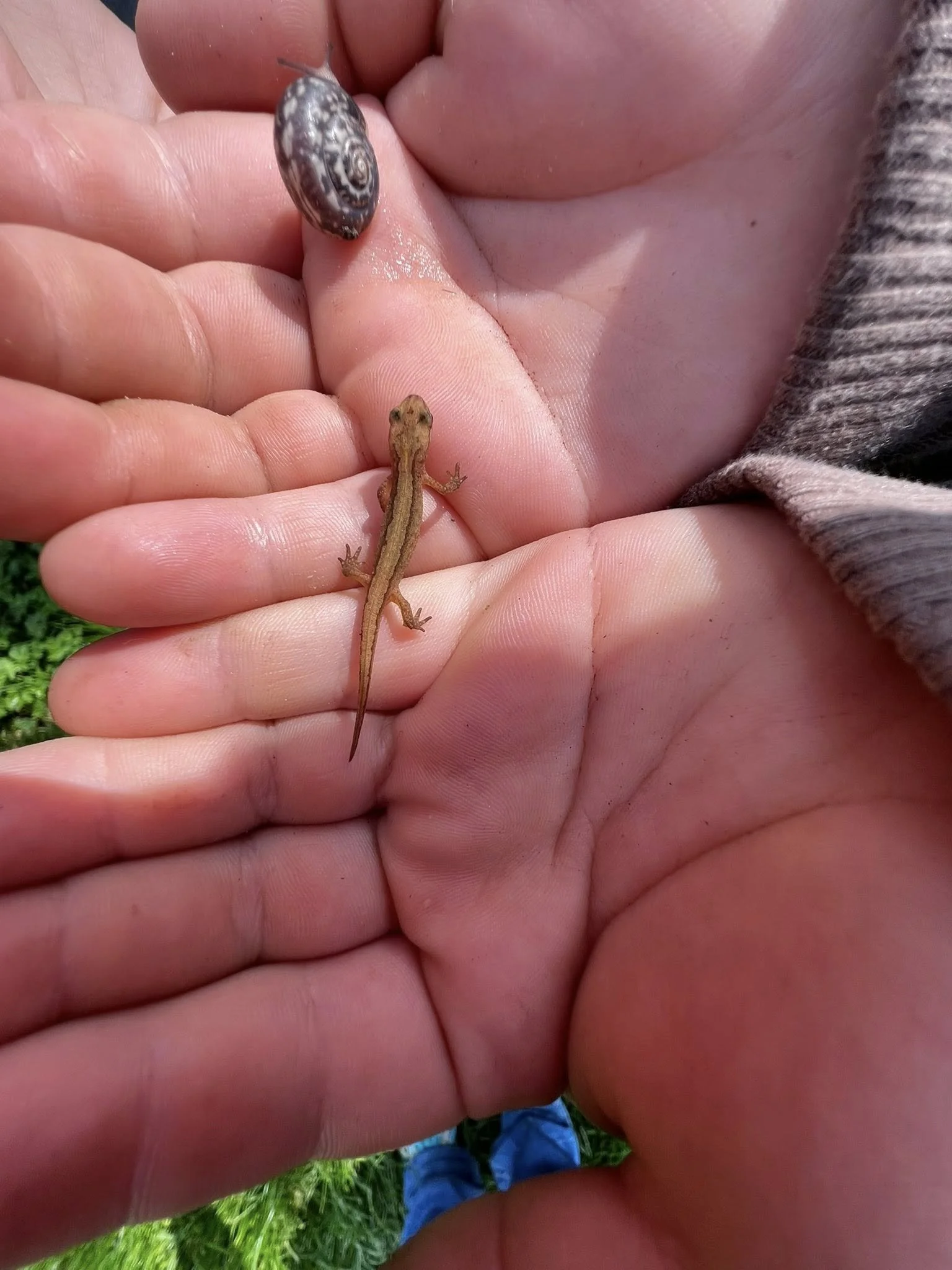
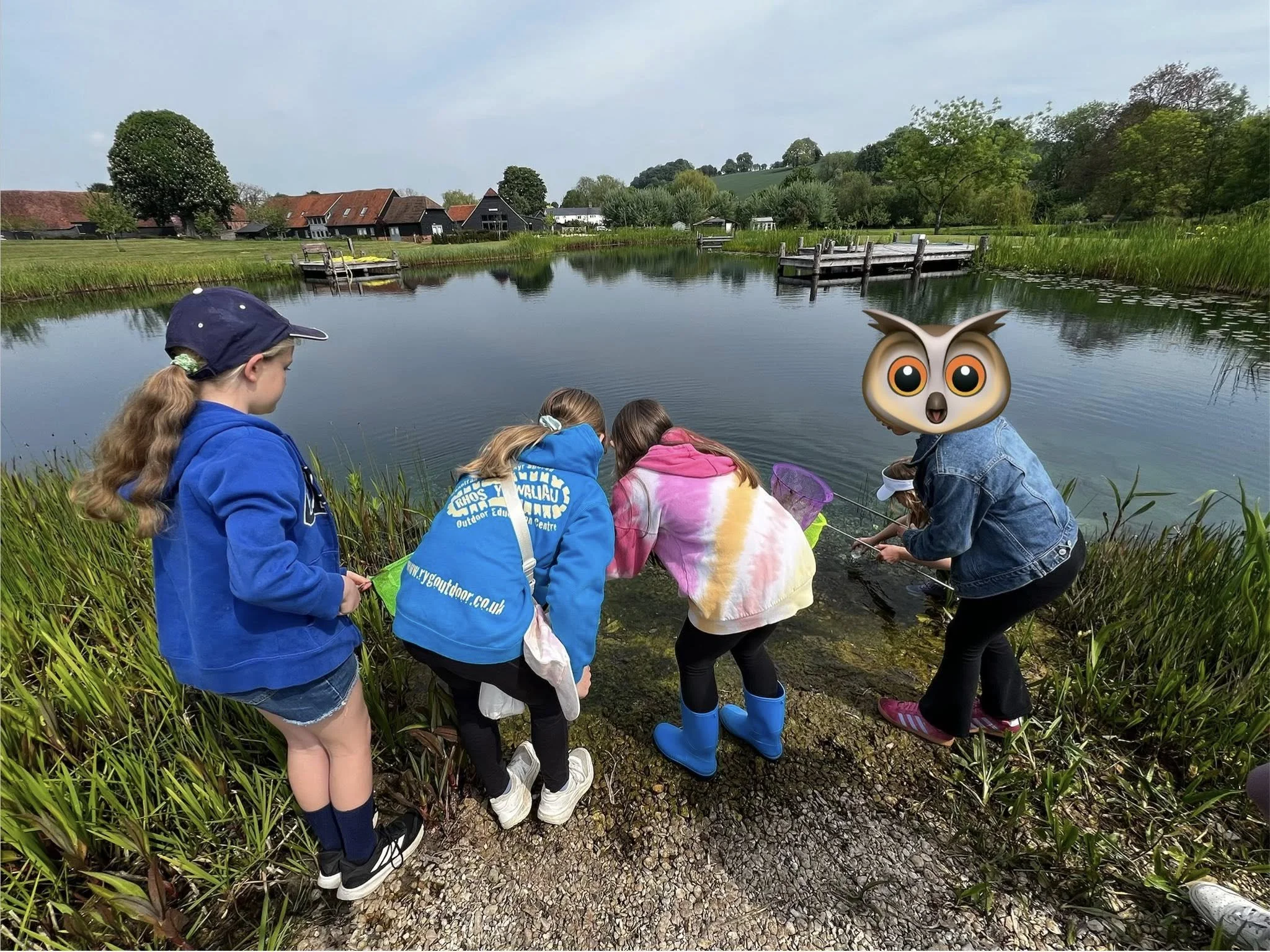
Our session on Saturday 18th May, 10am-12pm
Today at Owl Club we learned a hard lesson.
While we didn't find any little owls, there was much excitement to find a blue tit nest in one of the owl boxes. A base of moss with animal fur lining, it looked like a cosy nest for the chicks. Sadly, inside were at least 6 dead chicks - most likely the entire clutch.
We were shocked to learn that spot-on flea treatments for cats and dogs contain neonicotinoids. Yes - those chemicals banned in agriculture because they were devastating bee populations. This toxic-chemical-laced animal fur is deadly to fragile chicks and a key cause of declining bird populations. It is also incredibly harmful to aquatic species, finding its way into our rivers when we wash the spot-on treatment from our hands or our dogs swim in our waterways after it being applied.
Seeing the impact of humans on nature first hand was impossible to ignore and the children were upset and fired up with ideas of what we could do to spread the word.
Some of the ideas the children came up with were:
Surveys - do pet owners know how deadly these products are? Send out through schools?
Articles for local publications and the press
Posters
Writing to our MP
A petition.

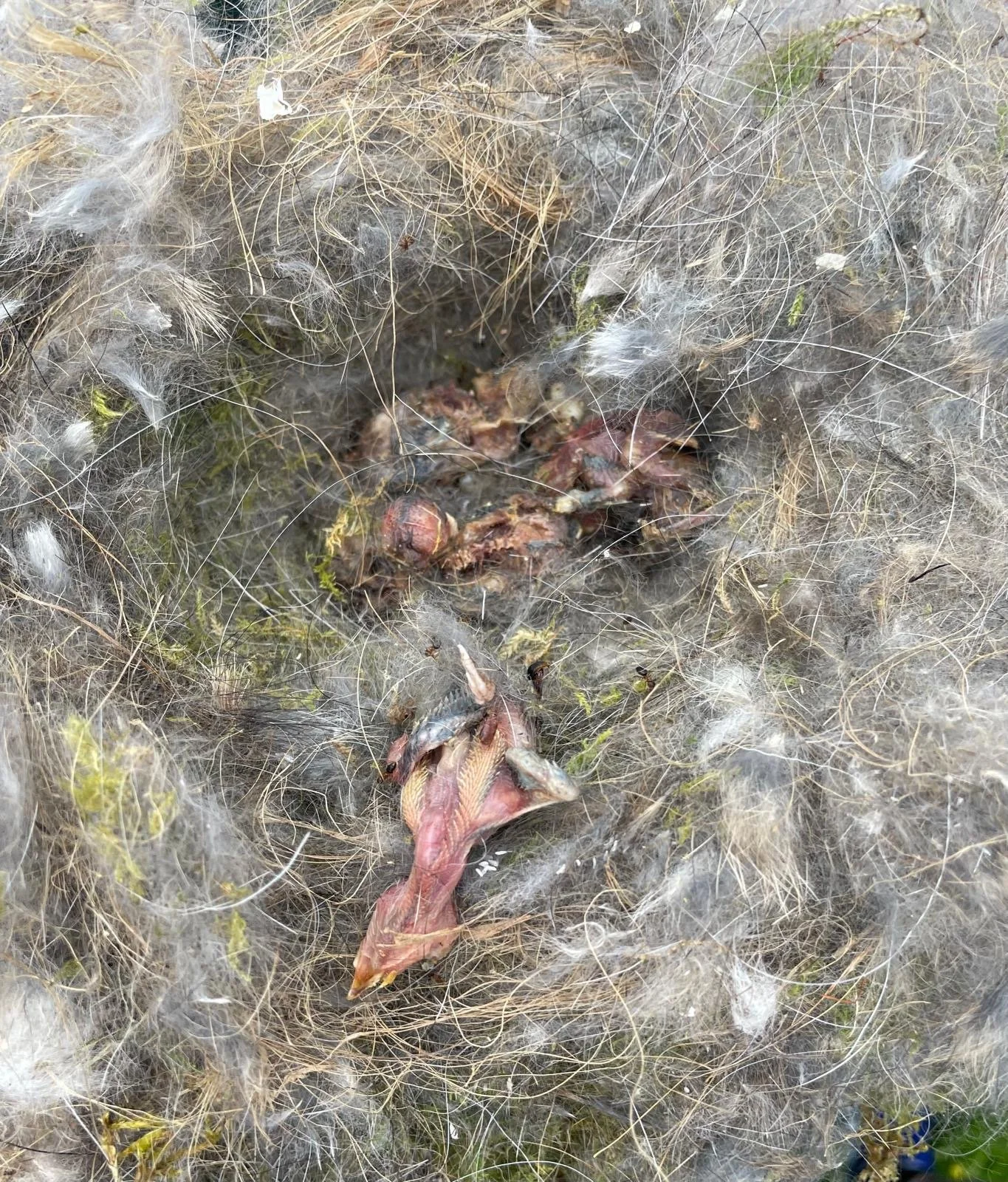
A sad and shocking reminder of the importance of caring for our environment. But well done to our Little Owls Group for recognising that they can and should take action to let people know of the dangers of pollutants to our wildlife.
Photos from our other sessions . . . enjoy!


